
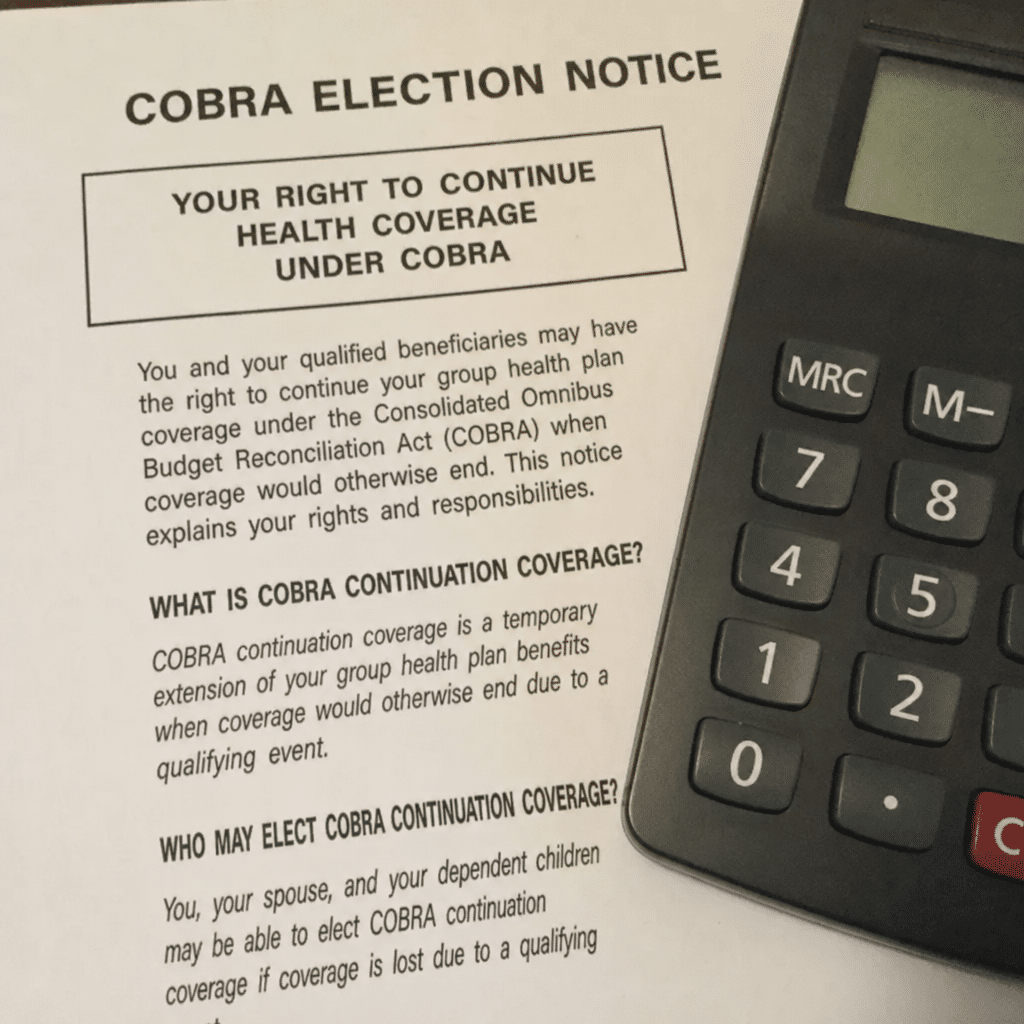
Losing a job (or having your hours cut) can turn health insurance into an urgent, expensive puzzle. COBRA continuation coverage can feel like the default answer—but it’s often not the best value because you may be paying the full premium plus an administrative fee. If you’re wondering is COBRA worth it, the good news is you have several strong alternatives to cobra insurance that can reduce costs, widen plan choices, or bridge a short coverage gap while you regroup.

Start here: when COBRA is useful (and when it isn’t)
COBRA can be a smart pick when you:
- Already met your deductible and expect major care soon (surgery, ongoing treatment)
- Need to keep the exact same doctors/network for continuity of care
- Are close to the end of the plan year and want stability
COBRA may be less attractive when you:
- Need low-cost health insurance and your prior employer plan was pricey
- Don’t mind switching networks/providers
- Only need coverage for a short period and want temporary health coverage gap solutions
Also, check whether any COBRA premium assistance programs apply to your situation (state programs, union benefits, or employer subsidies). Even partial help can shift the math.
1) ACA Marketplace plans (often the best overall alternative)
For many people, the strongest health insurance alternatives to COBRA are COBRA vs ACA marketplace plans—and the ACA Marketplace frequently wins on cost because premium tax credits can reduce monthly premiums based on household income.
Why ACA Marketplace plans can be cheaper
- Potential subsidies (premium tax credits) and cost-sharing reductions (for eligible incomes)
- A wider range of plan designs than what your employer offered
- Ability to choose a plan that matches your budget and expected care
Special enrollment: how you qualify after job loss
Losing employer coverage typically triggers a special enrollment period loss of coverage, allowing you to enroll outside the open enrollment window.
How to get marketplace coverage fast
If your goal is speed, focus on these steps:
- Gather documents: termination letter, last day of coverage, prior plan info, household income estimate.
- Apply right away so you can pick the earliest effective date available.
- Consider whether you want retroactive coverage options (varies by state rules) or the soonest forward start.
This is one of the most practical health insurance options after job loss because you can tailor coverage and costs to your new reality.
Action tip: Use a health insurance cost calculator estimate (Marketplace tool or reputable insurer calculators) to compare monthly premiums plus expected out-of-pocket costs—not just the sticker premium.
2) Join a spouse or partner’s employer plan
If you have access to a partner’s benefits, joining their plan can be one of the simplest cobra alternatives—especially if their employer subsidizes premiums.
Spouse employer plan after leaving job: what to ask HR
- Does job loss trigger a “qualifying life event” for mid-year enrollment? (Often yes.)
- What’s the deadline to enroll?
- Are your preferred doctors in-network?
- What are the payroll deductions and total annual out-of-pocket maximum?
This route can provide stable coverage with predictable costs—often a top contender for the best health insurance for unemployed households when one partner remains employed.

3) Medicaid (and CHIP): don’t assume you’re not eligible
After a layoff, many people qualify for coverage they didn’t qualify for while working. Medicaid eligibility after unemployment can change quickly because eligibility is income-based and your new income may fall within your state’s limits. If you have children, also check CHIP.
Why Medicaid is worth checking immediately
- Often very low premiums (sometimes $0)
- Lower out-of-pocket costs than many private plans
- Quick enrollment pathways in many states
Even if you expect to return to work soon, Medicaid can be one of the strongest health coverage options during a transition.
4) State “mini-COBRA” continuation coverage (for smaller employers)
If your employer is too small for federal COBRA, you may still have continuation coverage state mini COBRA rights depending on your state’s rules. This can preserve your current plan temporarily, but the cost may still be high.
When mini-COBRA is a good fit
- You need the same network/doctors for a short time
- You’re in the middle of a course of treatment and switching plans would be disruptive
Because the rules vary by state, confirm timelines and premium details with your insurer or state insurance department.
5) Short-term health insurance (for brief gaps only)
Short-term health insurance can be a useful bridge if you need a fast start date and your main goal is protection from unexpected accidents or hospital bills. It can be one of the most common temporary health coverage gap solutions—but it’s not the same as ACA-compliant coverage.
Short term health insurance pros cons
Pros
- Often lower monthly premiums (can help if you need affordable health plans quickly)
- Fast enrollment in many cases
- Useful for short transitions (new job starting soon)
Cons
- May not cover pre-existing conditions and can limit benefits
- Often excludes or restricts certain services (like maternity, mental health)
- Not eligible for ACA subsidies and may not meet all coverage standards
If you choose this route, read exclusions carefully and treat it as a true stopgap, not a long-term solution.
6) Catastrophic health plans (for eligible people)
A catastrophic health plan typically features lower premiums with higher deductibles, designed to protect against worst-case scenarios. Catastrophic health plan eligibility is limited (often by age and/or hardship criteria), so it’s not an option for everyone—but it can work well if you want baseline protection and can handle routine care out of pocket.
Good fit if:
- You’re generally healthy
- You want lower premiums and are comfortable with higher cost-sharing
- You mainly want financial protection from emergencies
7) Health sharing ministries (compare carefully)
Some people consider faith-based cost-sharing arrangements. When evaluating health sharing ministries compared to standard insurance, the biggest difference is that these are typically not insurance policies—and coverage is not guaranteed the same way.
What to look for before joining
- Eligibility requirements and lifestyle rules
- Waiting periods and pre-existing condition policies
- Caps/limits and exclusions (maternity, prescriptions, mental health)
- Dispute resolution and the process for getting bills shared
These can be perceived as health insurance alternatives, but they carry different risks. Treat them as a separate category from regulated insurance.
8) Employer-sponsored coverage from a new job (and bridging strategies)
If you’re starting a new job soon, your main issue might be the waiting period. Use health insurance options after job loss strategically:
- If the gap is 1–2 months: ACA Marketplace or short-term coverage might work
- If you’re mid-treatment: COBRA or mini-COBRA may preserve continuity
- If income is uncertain: Medicaid may be best while you stabilize
This “mix-and-match” approach is often the most realistic way to handle transitions.
How to choose between COBRA and the best alternatives
Use this quick checklist to decide among health insurance alternatives to COBRA:
Compare total annual cost, not just premiums
Estimate:
- Monthly premium × months you expect to need the plan
- Deductible you’ll likely hit
- Expected copays/coinsurance for prescriptions, visits, therapy, labs
- Worst-case out-of-pocket maximum
A health insurance cost calculator estimate can help you model “normal year” vs “bad year” scenarios.
Consider doctor/network continuity
- If you must keep specialists: COBRA/mini-COBRA may be worth the premium
- If you can switch providers: Marketplace plans may save significantly
Use the enrollment windows correctly
- COBRA election deadlines are strict
- Marketplace enrollment hinges on the special enrollment period loss of coverage
- Spousal plans have HR deadlines tied to qualifying events
Quick decision examples (real-world scenarios)
- You’re healthy, unemployed, and budget is tight: Marketplace subsidies or Medicaid are often the best low-cost health insurance options.
- You’re pregnant or managing chronic care: ACA plans or COBRA may be safer than short-term plans due to coverage rules and predictability.
- You start a new job in 30–60 days: Short-term coverage or a Marketplace plan can bridge the gap; COBRA can be a continuity-first option if you’re mid-treatment.
These are the kinds of tradeoffs that matter when weighing cobra alternatives.
Find the Right Health Coverage After Job Loss
Choosing between COBRA and other health insurance options after job loss depends on your budget, healthcare needs, preferred providers, and how long you expect to need coverage. While COBRA can make sense when continuity of care is a priority, alternatives to COBRA insurance such as ACA Marketplace plans, Medicaid, or coverage through a spouse’s employer may offer more affordable ways to stay protected.
Not sure which option makes the most sense for your situation? Contact our team today to explore available health coverage options, compare costs and benefits, and better understand the choices available to you. We can help you navigate your options with greater clarity so you can make an informed decision about your health coverage.